
SteamOS compatibility and a repeatable test
Gothic 1 Remake Steam Deck: How to Check and Test
The phrase Gothic 1 Remake Steam Deck does not by itself confirm that the game is Verified, Playable, or tested on your device. Check the live Steam badge first, then use a clean launch and a short input test before changing settings. This guide separates Valve's published compatibility labels from advice you can verify on your own Deck.
Checked October 23, 2026 · Steam and Valve guidance reviewed

Gothic 1 Remake Steam Deck status: check the live badge first
Before changing Proton, installing a community tool, or adjusting graphics, open the official Steam listing for Gothic 1 Remake on the device or in a browser signed into the same Steam account. Look for the current Steam Deck compatibility section. Its status can change as Valve reviews a title or the game receives updates, so a guide date is not a substitute for the badge you see now.
Steam's readable store text identified the Remake but exposed no Deck rating. That does not prove Unsupported or Unknown, and no Deck hardware test was performed here. Treat frame-rate, battery, graphics, or controller claims as setup-specific unless they name the game build, SteamOS, and settings.
Keep the Remake separate from the 2001 Gothic game. Search results can surface setup guides for that older title, so use a command or file path only when a current source explicitly names the Remake.
- Read the status attached to the exact Gothic 1 Remake store listing, not a search snippet or a page for the original game.
- If the badge is Unknown, understand that Valve has not checked compatibility; it is not a promise that the game works or a verdict that it fails.
- Record the date and the displayed label if you are comparing advice or reporting a change.
What Steam Deck compatibility labels tell you
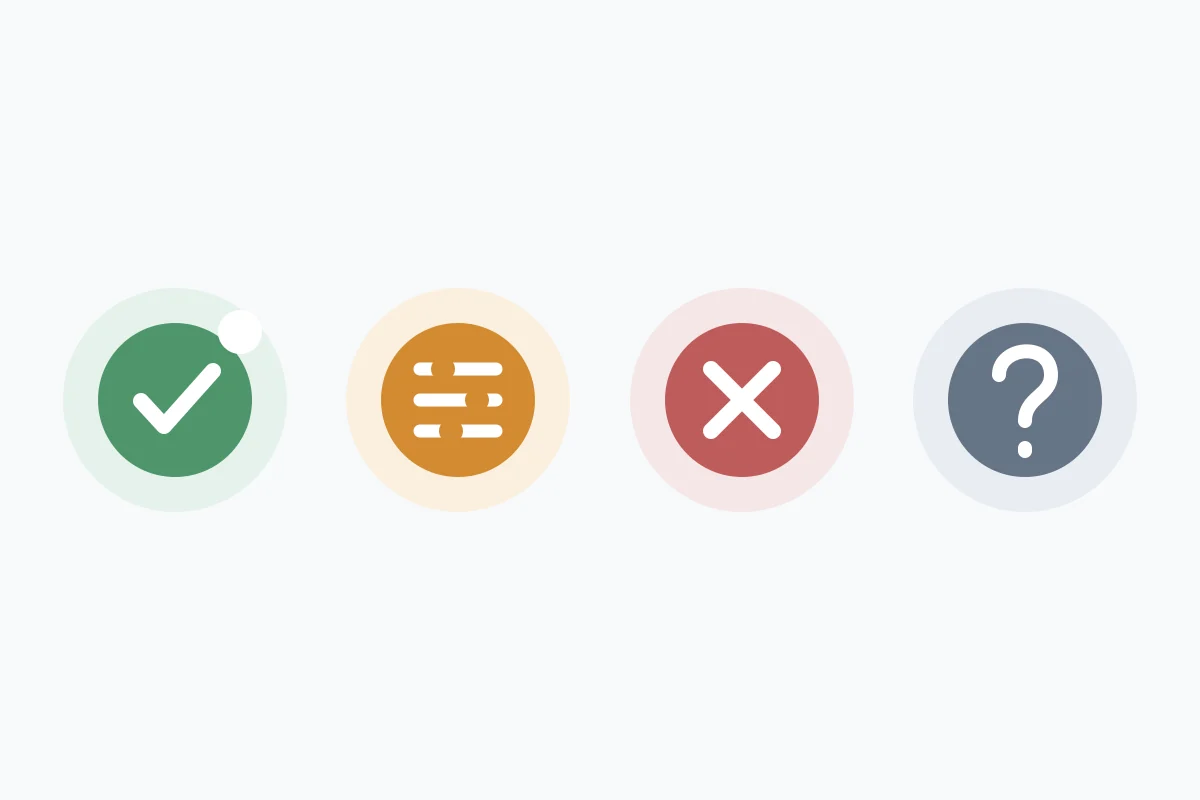
Valve's Steam Deck compatibility page explains four outcomes. Verified means a title meets the listed checks for input, display, seamlessness, and system support. Playable means it runs with some user adjustment. Unsupported means it is currently not functional on Deck. Unknown means Valve has not checked it. Those labels describe Valve's review result; they do not measure every player's preferred frame rate, battery life, graphics quality, or comfort.
A Playable game can still be a good fit if the required adjustment is acceptable to you. A Verified label is useful evidence, but a later game update, a third-party overlay, or a changed controller layout can still affect an individual setup. When the status is Unsupported or Unknown, decide whether you are comfortable experimenting and make sure you can stop, uninstall, or return to the default configuration.
| Store label | What Valve says | How to use it |
|---|---|---|
| Verified | Meets the Deck checks | Start with the default setup, then confirm the controls and text suit you. |
| Playable | Some manual adjustment may be needed | Read the note and test the specific step before changing other settings. |
| Unsupported | Currently not functional on Deck | Do not expect a reliable path; wait for an update unless you knowingly experiment. |
| Unknown | Not checked by Valve | Treat compatibility as unverified and test only if you accept that uncertainty. |
Run a clean first-launch test before tuning
A useful first test gives you a result you can reproduce. Install the game through Steam, allow the client to finish its initial setup, and launch it once with the default compatibility choice. Avoid changing several options before this baseline: if the game fails, you need to know whether the failure happened before or after a change.
The objective is not to certify the game for other owners. Steam Deck models, SteamOS releases, game builds, display settings, and user layouts can differ. Capture only what you observed on your own device and avoid turning one short test into a universal compatibility promise.
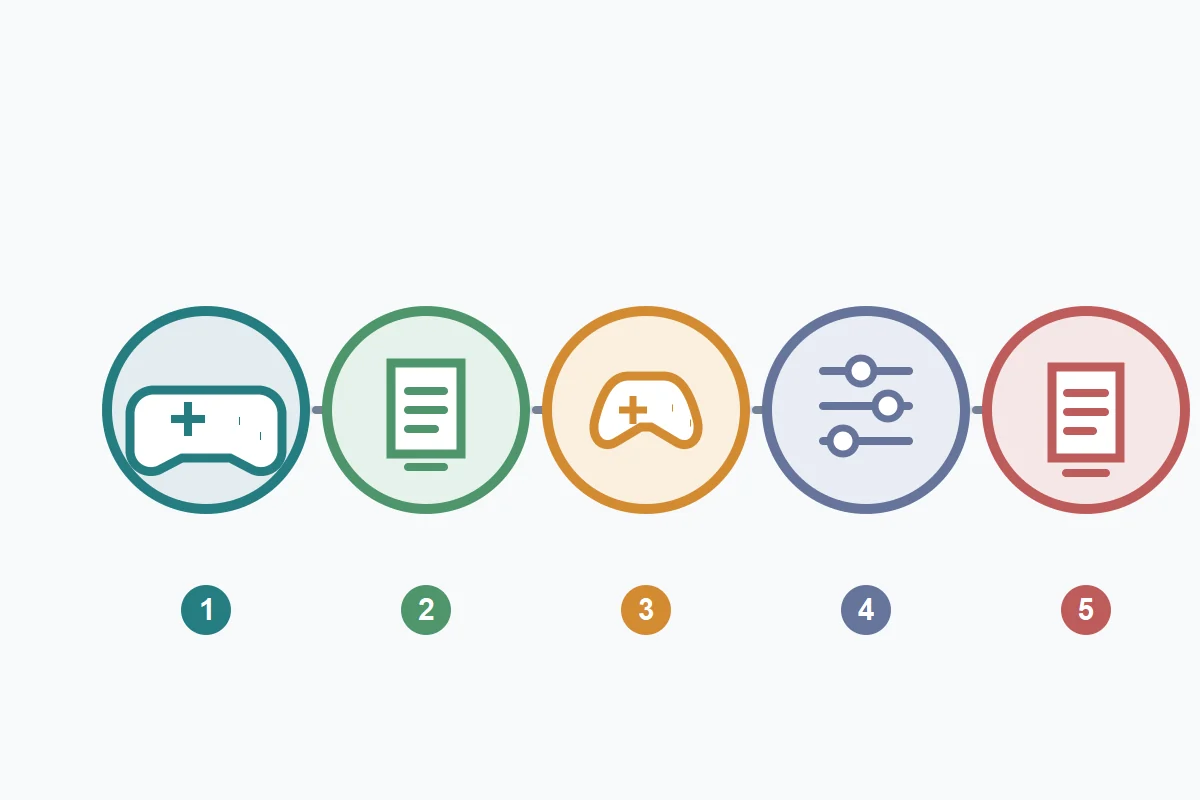
- 1Check the store status
Read the current badge and any Valve note for the exact Remake listing. Save the label and date for your own comparison.
- 2Keep a default baseline
Use the current default launch and compatibility settings. Note the game build and SteamOS version if a problem appears.
- 3Test the first interactive scene
Check launch, menu navigation, movement, camera input, subtitles, and one safe exit.
- 4Repeat one symptom
Reproduce a crash, missing input, or unreadable screen once before changing anything. Record the exact point where it occurs.
- 5Change one variable
If you experiment, alter one documented setting, repeat the same scene, and restore the baseline when the result is worse or unclear.
Check controls, menus, subtitles, and display behavior
A title screen that opens is only the start of a Deck check. Navigate the main menu with the built-in controls, move through a safe area, adjust the camera, open and close an inventory or pause screen, and check whether prompts match the controls you are using. If the game shows keyboard prompts while you use a controller, note whether that is only cosmetic or prevents you from understanding an action.
Read the smallest text you need during ordinary play, including settings, subtitles, and any confirmation dialog. Check whether a display mode remains readable at the Deck's native screen size and whether menus are clipped or hidden. Do not call a text issue a graphics-performance issue: record the affected screen and whether changing in-game scale, resolution, or UI size actually changes it.
- Input: can you navigate, move, use the camera, confirm, cancel, and return to the game without a keyboard?
- Text: can you read menus and subtitles at your normal viewing distance without clipping or an unexplained overlay?
- Flow: can you start, load a safe session, pause, resume, and exit without a stuck dialog or lost input?
- Stability: does the same scene behave the same way after a fresh launch and after suspend/resume?
Troubleshoot one setting at a time
If the default launch fails, first restart Steam and the Deck, confirm that the game update and shader or setup work has finished, and repeat the same launch once. If the error persists, use Steam's own file verification and check for a current developer announcement before changing compatibility settings. Do not delete a compatibility prefix or user data folder just because an older guide recommends it; that can remove local state without fixing the cause.
A different Proton choice is an experiment, not a confirmed fix for this title. Make a note of the current selection, change only that one option if you have a current reason to test it, and repeat the same launch. If the result is worse, restore the original setting. Avoid mixing a Proton change with a frame cap, graphics changes, controller remapping, and launch options in a single attempt, because the result would not tell you which change mattered.
| Symptom | First check | Next safe comparison |
|---|---|---|
| Does not launch | Restart, let setup finish, and repeat the default launch | Verify Steam files; then test one documented compatibility option. |
| No controller response | Check the active Steam Input layout and in-game focus | Try a standard layout, then restore the previous one if there is no improvement. |
| Text is hard to read | Check in-game UI scale and display mode | Change one display option and compare the same menu or subtitle. |
| Stutter or frame drops | Repeat one scene at default settings | Lower one effect and compare; do not infer Deck performance from a desktop preset. |
| Fails after a mod or overlay | Return to a clean profile and remove the last change | Follow the mod author's current instructions and the site's Mod troubleshooting guide. |
Keep a useful test note and know when to stop
If the game works but a particular control or display issue remains, describe that limit instead of assigning your own Verified label. If it fails consistently and you do not want to experiment, wait for a game or SteamOS update and recheck the live listing. A compatibility page is most useful when it tells readers what is verified, what is uncertain, and which action can safely be reversed.
For broader PC hardware questions, use the Gothic 1 Remake system requirements guide. For desktop graphics tuning, see the best settings guide. If a Deck save needs a separate backup before troubleshooting, review the save location and backup steps. These pages cover adjacent tasks; none is a substitute for a current Steam Deck status or a device-specific test.
- Game build and date checked
- SteamOS version and Deck model if known
- Current store badge and the exact symptom
- Default settings first, then the single change tested
- Whether you returned the setup to its original state
Gothic 1 Remake Steam Deck FAQ
Is Gothic 1 Remake Steam Deck Verified?
This article did not find a Deck rating in the readable body of the official store page and did not test the game on a Deck. Check the live Steam listing for its current badge before relying on compatibility advice.
Can I use a Proton fix written for the original Gothic 1?
Do not assume so. The original game and the Remake have different builds and file layouts. Use a current source that explicitly names the Remake, and change one setting at a time.
What should I test if the game launches?
Check menu navigation, movement, camera input, subtitles, readable text, pause and resume, and a clean exit. Repeat the same scene after any single setting change.
Should I force a different Proton version?
Start with Steam's current default choice. Only test another version when you have a current reason; note the original setting, change one variable, repeat the same test, and roll back if it does not help.
Will the desktop best settings work on Steam Deck?
Not automatically. Desktop settings do not establish Deck performance, power use, screen readability, or controls. Compare the same Deck scene and change one graphics option at a time.
Official compatibility references
- Gothic 1 Remake on Steam — Official title listing; check its live Steam Deck section for the current compatibility status.
- Steam Deck Verified — Valve's explanation of Verified, Playable, Unsupported, and Unknown labels and the criteria used in its Deck checks.